

Grand Cayman sits on top of some of the clearest water in the Caribbean, and snorkeling grand cayman’s reefs requires zero experience, zero boat, and — at most shore spots — zero dollars. The island packs more than 15 wade-in snorkeling sites along its 70-mile coastline, from the calm shallows off Seven Mile Beach to the barrier reef drops at Rum Point and the sea-turtle grounds at Spotts Beach. Below is every spot, every cost, and every timing detail we’ve confirmed across dozens of site visits.
In Brief:
- 15+ shore-access spots and several boat-only sites spread across the West Side, North Side, and East End — most are free to enter.
- Cemetery Beach, Smith Cove, and Eden Rock are the easiest for beginners; Rum Point’s barrier reef and Barefoot Beach reward experienced snorkelers.
- Rent gear at the beach ($15–25/day) or bring your own; reef-safe sunscreen is required by Cayman law.
- DIY shore snorkeling is free; guided boat tours run $45–75/person.
- Best visibility runs Dec–Apr (100+ feet); sargassum can affect some south-facing beaches May–Aug.
Key Takeaways
- Shore snorkeling is free at 15+ beaches — Cemetery Beach, Smith Cove, and Eden Rock are the strongest all-around picks, and none requires a boat, guide, or fee.
- Stingray City is the island’s signature marine experience but needs a boat; budget $45–75/person for a group tour.
- Reef-safe sunscreen is Cayman Islands law — non-compliant products can be confiscated at customs.
- December through April delivers peak visibility (100+ feet), but snorkeling is a year-round activity with water temps never below 78°F.
- Cruise passengers can be on a reef in 20 minutes — Eden Rock is a 10-minute walk from the George Town tender landing.
- The North Side and East End reward exploration — Barefoot Beach, Rum Point’s barrier reef, and the East End sulfur vent are local favorites that no ranking guide covers.
Where Are the Best Shore Snorkeling Spots on Grand Cayman?
Grand Cayman has more than 15 shore-entry snorkeling spots where you can walk off the sand and be over a reef in under five minutes — no boat fee, no guide, no reservation. Here are the ones worth your time, grouped by region.
Seven Mile Beach and Governor’s Beach
Seven Mile Beach is the island’s signature stretch, but the snorkeling varies block by block. The best reef access sits at the public beach near Governor’s Beach, where a shallow reef system starts about 75 yards offshore. Expect parrotfish, blue tangs, sergeant majors, and the occasional nurse shark cruising the sand channels. The nurse sharks at Governor’s Reef are harmless — they’re bottom-feeders, typically 4–5 feet long, and they’ll swim past you without a second look.
We usually tell first-time visitors to start here because the entry is sandy, the current is mild, and you can grab lunch at a beachfront restaurant afterward. Our full Seven Mile Beach guide covers parking, access points, and the best sections for swimming.
Cemetery Beach and Cemetery Reef
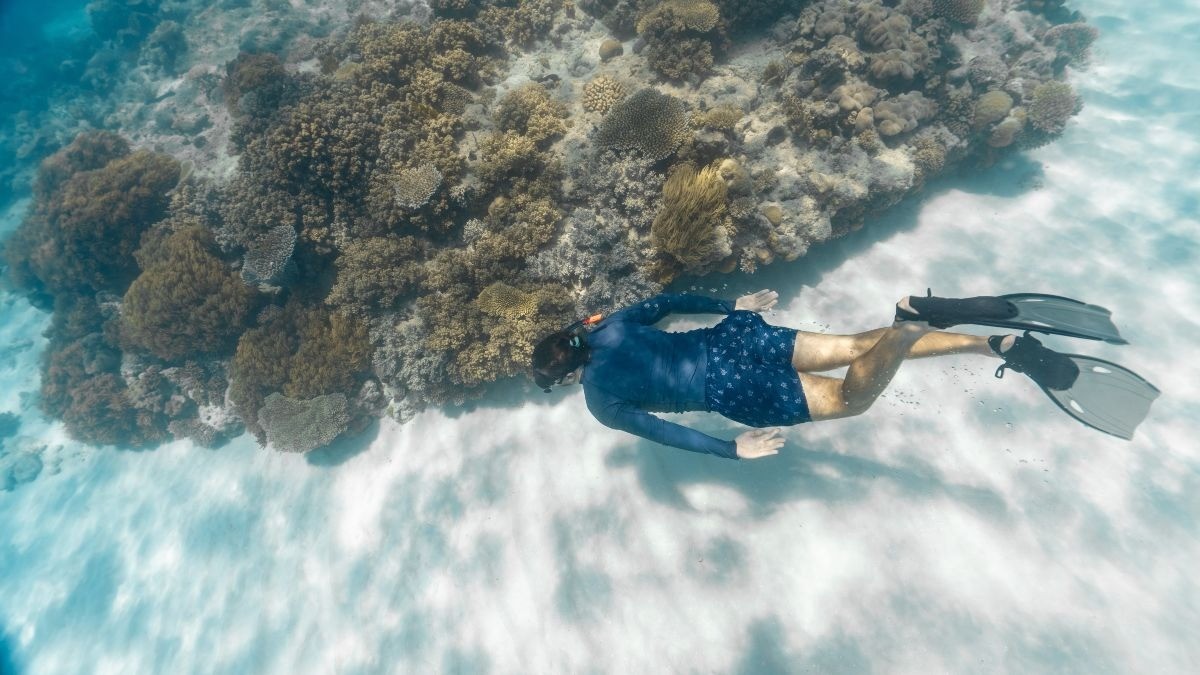
Cemetery Beach — named for the small historic cemetery beside the road, not the vibe — is our top pick for snorkeling grand cayman’s West Side. The reef starts just 30 yards from shore and drops along a wall that runs parallel to the beach. You’ll see brain coral, elkhorn coral, sea fans, eagle rays, and schools of yellowtail snapper. The water depth over the reef flat is 4–8 feet, deepening to 15–20 feet at the wall edge.
Parking is limited to a small gravel pull-off on West Bay Road. Get there before 9 a.m. on weekends or you’ll be circling.
Smith Cove
Smith Cove is a sheltered limestone cove on the south end of Seven Mile Beach, just past the Ritz-Carlton. The cove is small — maybe 50 yards across — and the rock walls on each side block the current, making it one of the calmest snorkeling spots on the island. Swim past the rocks on the left side to reach a coral-covered shelf where you’ll spot moray eels, lobster, and cleaning stations where wrasses pick parasites off bigger fish.
This is a strong choice for kids. The entry is a short stone staircase, the depth stays under 10 feet inside the cove, and there’s shade from the sea grape trees right on the beach.
Eden Rock and Devil’s Grotto
Eden Rock and Devil’s Grotto sit side by side in George Town harbor, about a 10-minute walk from the cruise tender landing. Eden Rock is a series of underwater caves and swim-throughs at 15–25 feet of depth, filled with silversides (tiny schooling fish) that swirl into metallic clouds when you swim through them. Devil’s Grotto is the adjacent system — more open, with tarpon hanging in the shadows and large barrel sponges along the walls.
We rank this as the single most dramatic shore-entry snorkel site on the island. The swim-throughs are wide enough for comfortable passage, and the light filtering through the rock openings makes the silverside schools look electric. A small dive shop on-site rents gear and offers a freshwater rinse.
Spotts Beach — Turtle Snorkeling
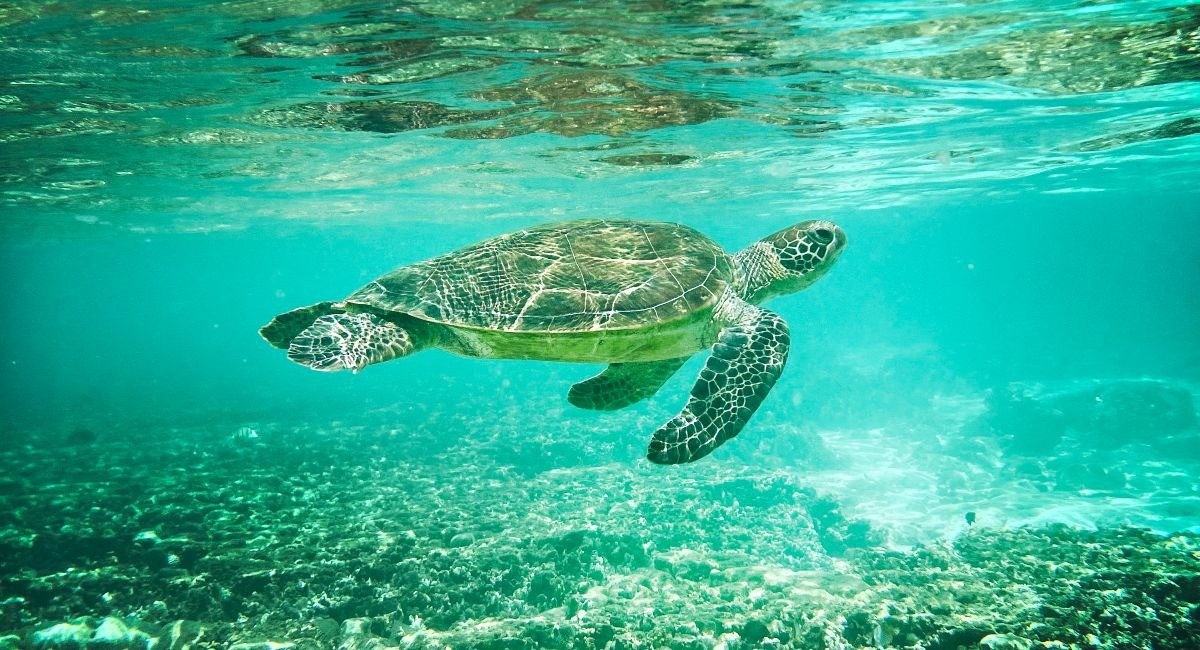
Spotts Beach, on Grand Cayman’s south shore, is the island’s best spot for swimming with green sea turtles. The turtles feed on sea grass beds about 50–75 yards offshore, and early mornings — before 8 a.m. — are the most reliable window. We’ve seen as many as a dozen turtles on a single dawn snorkel here.
Keep your distance (Cayman law requires 6 feet minimum), don’t chase or touch them, and you’ll have a 15-minute turtle encounter that beats any paid excursion.
Rum Point and the Barrier Reef
Rum Point sits on Grand Cayman’s North Side, about 45 minutes from Seven Mile Beach by car. The snorkeling here is different from the West Side — you’re on the edge of the island’s barrier reef, which means deeper water, bigger coral formations, and more open-ocean species like barracuda, jacks, and southern stingrays.
Swim straight out from the dock and follow the reef edge to the right. The reef flat sits at 5–8 feet, then drops to 30+ feet on the outer wall. We recommend this spot for confident swimmers who are comfortable in deeper water and mild current. Our Rum Point guide has directions, food options, and details on the hammock-and-cocktail scene onshore.
Starfish Point
Starfish Point is a shallow sandbar at the tip of a peninsula in Cayman Kai, about 5 minutes past Rum Point. The water is knee-deep over a sandy bottom, and red cushion sea stars dot the sand — sometimes dozens of them. This isn’t reef snorkeling; it’s a wade-and-look experience best suited to kids and anyone who wants an easy, photogenic marine encounter.
Don’t pick up the starfish. Don’t stand on them. Don’t stack them for Instagram. The Department of Environment can fine you, and the animals can die from the stress. Look, photograph, leave them where they are.
If you’re staying in the area, our Cayman Kai vacation rentals put you within walking distance.
Barefoot Beach — North Side
Barefoot Beach is a locals’ favorite on the North Side that doesn’t appear on most tourist maps. The entry is rocky — water shoes help — but the reef starts immediately and the coral coverage is some of the healthiest on the island. We’ve spotted octopus here on multiple trips, along with scorpionfish, juvenile drum fish, and queen angelfish.
The beach has no facilities, no rental shop, and no signage. Look for the small pull-off on North Side Road near Old Man Bay. That’s the tradeoff: no crowd, no amenities.
Cobalt Coast and Lighthouse Point
The northwest corner of Grand Cayman, near Cobalt Coast Resort and the old lighthouse, offers ironshore entry to some of the island’s best wall diving — and the shallow reef on top is just as good for snorkeling. The reef flat runs 6–12 feet deep with sea fans, tube sponges, and large schools of blue chromis. The entry points are rocky cuts in the ironshore, so this is better for experienced snorkelers who can handle an uneven entry.
East End Reefs — Morritt’s Area
The East End is Grand Cayman’s quietest coast, and the reefs off Morritt’s Resort and the surrounding ironshore are among the least-visited on the island. A sulfur vent near the reef creates a warm-water plume that attracts unusual marine life — we’ve seen large southern stingrays, hawksbill turtles, and grouper here that you won’t find at the busier West Side spots.
The drive from Seven Mile Beach is about an hour. Pair it with a stop at Blowholes or the Queen Elizabeth II Botanic Park to make a full day of it.

Which Grand Cayman Snorkeling Sites Need a Boat?
Four of Grand Cayman’s most famous snorkeling sites sit offshore and require a boat trip — either a guided tour or a private charter. None can be reached by swimming from the beach.
Stingray City Sandbar

Stingray City is a shallow sandbar in the North Sound where dozens of southern stingrays gather in waist-deep water. You stand on the sand while rays glide between your legs, and guides hand you squid to feed them. It’s the island’s most popular marine attraction, and most visitors call it the single best thing they did on Grand Cayman.
Tour boats leave from multiple docks on the West Side and North Side. Expect to pay $45–60/person for a group tour, or $400–600 for a private charter. Our Stingray City visitor guide covers logistics, what to expect, and which operators run the least crowded trips.
USS Kittiwake Wreck
The USS Kittiwake is a 251-foot decommissioned Navy submarine rescue vessel sunk as an artificial reef in 2011. It sits in 60 feet of water off Seven Mile Beach, and the top deck rests at about 15 feet — within reach of strong breath-hold snorkelers on a calm day. The wreck is covered in coral growth and surrounded by horse-eye jacks, barracuda, and green moray eels.
Access is by boat only, and the site carries an entrance fee of approximately CI$25 (about US$30). Several operators run dedicated Kittiwake snorkel trips. The wreck shifted during a storm a few years back and now rests at a slight angle, which makes it more interesting to explore but less accessible to casual snorkelers than it was originally.
Coral Gardens
Coral Gardens is a shallow reef system in the North Sound, usually visited as a second stop on Stingray City tours. The reef sits at 8–15 feet and is loaded with elkhorn coral, sea fans, and reef fish — parrotfish, butterflyfish, trumpetfish, and spotted eagle rays on a good day. Most tour operators include 30–45 minutes of snorkeling here after the stingray stop.
Wreck of the Cali
The Cali is a small cargo vessel that sank in the 1940s and now rests in 20 feet of water in George Town harbor. It’s encrusted with sponges and coral and sits close to the Eden Rock/Devil’s Grotto complex. Some snorkelers can reach it from shore on a calm day, but a boat makes the trip easier and safer. Look for the resident green moray that lives in the wreck’s stern section.
Should You Book a Snorkeling Tour or Go on Your Own?
DIY shore snorkeling on Grand Cayman is free at every public beach — the only cost is gear. Guided boat tours run $45–75/person and give you access to offshore sites you can’t reach on your own. The right choice depends on what you want to see.
DIY Shore Snorkeling Costs
Shore entry is free everywhere on Grand Cayman. Public beach access is guaranteed by law, and no reef carries an entrance fee. Your only costs:
- Gear rental: $15–25/day at beach rental stands
- Parking: Free at most spots; a few West Bay locations have small lots that fill up early
- Reef-safe sunscreen: $12–18/bottle at island pharmacies (you’ll need it — see the gear section)
Total cost for a self-guided day of snorkeling: $15–25 if you rent, $0 if you bring your own gear.
Guided Tour Pricing and Operators
Three operators cover the main price tiers:
- Captain Marvin’s — The island’s longest-running budget option. Group tours to Stingray City plus a reef stop run about $45–55/person. Boats are large (20–40 passengers), so the sandbar gets crowded.
- White Sand Water Sports — Mid-range with smaller boats. Stingray City and snorkel combos in the $55–70 range. Better guide-to-guest ratios.
- Ocean Frontiers — Based on the East End, specializing in private and small-group tours of the less-visited eastern reefs. Expect $65–75/person for group trips, more for private charters. This is the operator we suggest for experienced snorkelers who want to skip the West Side crowds.
When a Tour Is Worth the Money
Book a tour if you want to visit Stingray City (no shore access), the USS Kittiwake (boat only), or the East End reefs without driving an hour each way. Skip the tour if you’re comfortable swimming from shore and want to snorkel at your own pace — Cemetery Reef, Eden Rock, and Spotts Beach are all as good as anything you’ll see from a tour boat, and they’re free.
What Gear Do You Need and Where Can You Rent It?
A mask, snorkel, and fins are all you need for every shore site on Grand Cayman. Most visitors rent; frequent snorkelers should bring their own for a better fit.
What to Bring vs. Rent
Bring from home if you snorkel more than once or twice a year:
- Mask and snorkel (proper fit prevents leaking — rental masks are one-size-fits-most)
- Reef-safe sunscreen (cheaper at home than on-island)
- Rash guard or UV shirt (better sun protection than sunscreen alone)
Rent on-island:
- Fins ($10–15/day; bulky to fly with)
- Full mask/snorkel/fin sets ($15–25/day)
Consider bringing:
- Water shoes (useful at rocky entries like Barefoot Beach and Cobalt Coast)
- Underwater camera or waterproof phone case
If you’re staying for a week, buying a budget set at Kirk Freeport or a local shop ($40–60) can be cheaper than five days of rentals.
Reef-Safe Sunscreen: It’s the Law
Grand Cayman banned sunscreens containing oxybenzone and octinoxate in 2020 to protect its reef systems. This isn’t a suggestion — it’s Cayman Islands law, and customs officers can confiscate non-compliant products at the airport. Look for mineral-based sunscreens with zinc oxide or titanium dioxide as the active ingredient. Brands like Raw Elements, Stream2Sea, and Thinksport are widely available on-island.
We keep a few bottles in every one of our rental properties so guests don’t have to scramble on arrival.
When Is the Best Time of Year to Snorkel in Grand Cayman?
Peak underwater visibility runs December through April, when calm seas and low rainfall push visibility past 100 feet at most reef sites. But snorkeling grand cayman’s reefs is a year-round activity — water temperature never drops below 78°F.
Peak Season: December–April
This is prime time. Trade winds hold steady from the east, seas stay flat on the West Side, and visibility regularly hits 100–150 feet. Water temperature sits at 78–82°F. The tradeoff: higher hotel and rental prices, busier beaches, and more tour boats at Stingray City.
Off-Season: May–November
Water temperature rises to 84–86°F, and afternoon rain showers are common but short. Visibility drops slightly — 60–80 feet on average — but that’s still far better than most Caribbean destinations. Hurricane season officially runs June through November, though direct hits on Grand Cayman are rare. The real upside: fewer tourists, lower prices, and more space on the reefs.
Sargassum Season
Sargassum seaweed can wash onto Grand Cayman’s south-facing beaches between May and August. It doesn’t affect every beach equally — Cemetery Beach, Smith Cove, and the West Side spots typically see less accumulation than south-shore sites like Spotts Beach. When sargassum is present, it reduces visibility in the shallows and makes beach entry less pleasant, but the reef itself stays clear once you swim past the surf zone.
Check the Cayman Islands Department of Tourism or local Facebook groups for real-time sargassum reports before you pick your snorkeling beach.
Is Grand Cayman Snorkeling Safe for Beginners and Kids?
Yes. Grand Cayman’s West Side beaches have some of the calmest water in the Caribbean, most reef sites are shallow enough to stand in, and the island has no dangerous currents at its popular snorkeling spots.
Best Spots for Beginners
Start with these three:
- Smith Cove — Sheltered cove, calm water, shallow reef, stone-step entry, shade on the beach. Hard to find a more beginner-friendly setup anywhere in the Caribbean.
- Cemetery Beach — Sandy entry, reef starts at 4 feet deep, minimal current. Swim straight out and you’ll be over coral in two minutes.
- Starfish Point — Knee-deep water over sand. No reef, no depth, no current. Perfect for toddlers and anyone nervous about open water.
Safety Tips
- Wear a flotation vest if you’re not a confident swimmer. Rental stands carry them, and no one will judge you for wearing one — we see experienced snorkelers use them so they can float effortlessly and focus on what’s below.
- Don’t touch anything. Fire coral looks like smooth yellow-brown rock and burns on contact. Sea urchin spines break off in your skin. Coral cuts heal slowly in tropical climates.
- Stay within your comfort zone. If the current picks up or you feel tired, turn around. The reef will be there tomorrow.
- Snorkel with a buddy. Solo snorkeling is common on Grand Cayman, but a partner adds a safety margin.
Marine Life: What’s Down There
The question we hear most: Are there sharks? Yes — nurse sharks patrol the sandy channels at Governor’s Reef and other West Side sites. They’re bottom-feeders, typically resting under ledges during the day, and completely uninterested in snorkelers. In 15+ years of snorkeling these reefs, we have never seen or heard of a nurse shark incident with a swimmer.
You will see green sea turtles (especially at Spotts Beach), southern stingrays, spotted eagle rays, moray eels, lobster, octopus, and hundreds of reef fish species. Long-spine sea urchins live in crevices — watch where you put your hands and feet.
How Do You Snorkel Grand Cayman from a Cruise Ship?
Grand Cayman is a tender port — cruise ships anchor offshore and ferry passengers to the George Town waterfront by small boat. You’ll have 5–8 hours on the island, which is enough time for solid snorkeling if you plan your route before you step off the tender.
Walking-Distance Spots from the Tender Landing
Eden Rock and Devil’s Grotto sit about a 10-minute walk south of the cruise tender dock. This is the fastest path from ship to reef on the island — you can be underwater within 20 minutes of stepping off the tender. Gear rental is available at the dive shop right at the entry point.
Smith Cove is a $10–12 taxi ride from the dock, about 10 minutes south. If you share a cab with other cruise passengers, the cost drops.
Half-Day Tour Options
Most cruise-oriented snorkel tours run 2.5–3.5 hours and hit Stingray City plus one reef stop. Book directly with island operators rather than through the cruise line — you’ll pay less ($45–65 vs. $80–100 through the ship) and get smaller groups. Captain Marvin’s and White Sand Water Sports both have docks within a short taxi ride of the tender landing.
Timing Your Return
Give yourself at least 90 minutes of buffer before your ship’s all-aboard time. Tender lines can run 30–45 minutes during peak return hours, and missing the ship is exactly as expensive and stressful as it sounds. We recommend booking morning tours (8:30–9:00 a.m. departures) so you’re back at the dock by early afternoon with time to spare.
If you’re considering spending more time on the island, Explore Cayman lists extended stay options and ground transportation.
Your Next Move
Pick one beach. Cemetery Beach for reef access straight from the sand. Eden Rock if you want caves and silversides. Spotts Beach if turtles are the priority. Grab a mask, check the wind direction, and go — the water on Grand Cayman doesn’t require a plan, a tour, or a permit. It just requires showing up.
If you’re booking a stay on the island, our vacation rentals along Seven Mile Beach, the North Side, and the East End put you within minutes of the spots in this guide.
About this guide: This article is maintained by the Cayman Vacation editorial team, which has collectively logged hundreds of snorkeling hours across Grand Cayman’s reefs since 2010. Recommendations are based on repeated site visits and direct testing. We operate luxury vacation rentals on Grand Cayman and may earn revenue when readers book through our site. Tour operators and gear shops mentioned here were selected on merit; none paid for placement.
Frequently Asked Questions
Can you snorkel from the beach without a boat?
Absolutely. More than 15 sites on Grand Cayman offer direct shore entry to coral reefs. Cemetery Beach, Smith Cove, Eden Rock, Spotts Beach, and Rum Point are all walk-in spots where the reef starts within 30–75 yards of the sand. No boat, no guide, no fee.
Is it safe to snorkel in Grand Cayman? Are there sharks?
Grand Cayman’s popular snorkeling sites are among the safest in the Caribbean — calm water, shallow reefs, and no dangerous currents. Nurse sharks live on the reefs, but they’re bottom-feeders that ignore swimmers. There has been no recorded shark incident involving a snorkeler at any of the island’s common beach sites.
How much does snorkeling cost?
Shore snorkeling is free. Gear rental runs $15–25/day at beach stands. Guided boat tours cost $45–75/person depending on the operator and group size. The USS Kittiwake carries a separate entry fee of approximately CI$25. Bringing your own mask and snorkel drops the total cost to zero at any shore spot.
Where can you see turtles while snorkeling?
Spotts Beach on the south shore is the most reliable turtle-snorkeling site. Green sea turtles feed on sea grass beds 50–75 yards offshore, and early morning visits (before 8 a.m.) give you the best chance of seeing multiple turtles. You may also spot turtles at Cemetery Reef, the East End, and occasionally at Rum Point.
Is Grand Cayman snorkeling better than Cozumel?
Both are top-tier Caribbean snorkeling destinations. Grand Cayman has more shore-entry options and Stingray City, which has no real equivalent elsewhere. Cozumel’s drift snorkeling along its marine park wall is a different experience — faster-paced, current-driven, and typically done with a guide. Grand Cayman is easier for independent, go-at-your-own-pace snorkeling. Cozumel edges ahead on large marine life diversity along its wall.
Can you snorkel the USS Kittiwake?
Yes, on calm days. The wreck’s top deck sits at about 15 feet, reachable by strong breath-hold snorkelers. A boat trip is required — you can’t swim to it from shore. Several operators run dedicated Kittiwake snorkel trips, and the entry fee is approximately CI$25 (US$30). Choppy days push the wreck out of comfortable snorkeling range.
Do you need reef-safe sunscreen in Grand Cayman?
Yes — it’s Cayman Islands law. Sunscreens containing oxybenzone and octinoxate are banned to protect the reef systems. Use mineral-based formulas with zinc oxide or titanium dioxide. Non-compliant products can be confiscated at customs. Buy before you fly; reef-safe options cost more on-island.


